Beautiful home exterior
Home / Company / FAQ

Frequently Asked
Questions

Everything you need to know about our HVAC services, from maintenance tips to installation details. Can't find your answer? We're just a phone call away.

Browse by Topic

General Questions

About our company and services

We proudly serve Covington, WA and the surrounding communities throughout the greater South King County area. Our service territory includes:
  • Covington, Maple Valley, and Kent
  • Auburn, Renton, and Federal Way
  • Black Diamond, Enumclaw, and Bonney Lake
  • Tukwila, SeaTac, and surrounding areas
If you're unsure whether we service your location, give us a call at (425) 648-7887 and we'll be happy to confirm.
Absolutely. Next Phase Heating and Cooling is fully licensed, bonded, and insured in Washington State. We carry comprehensive general liability insurance and workers' compensation coverage, so you can have complete peace of mind. All of our HVAC technicians hold current certifications and undergo continuous training to stay current with the latest industry standards and equipment technologies.
Yes, we offer free estimates on new system installations and replacements. One of our comfort specialists will visit your home, assess your heating and cooling needs, evaluate your existing ductwork and infrastructure, and provide a transparent, no-obligation quote. We believe in upfront, honest pricing with no hidden fees. For repair services, we charge a standard diagnostic fee which is applied toward the cost of the repair if you choose to proceed. Call us at (425) 648-7887 to schedule your free consultation.
Yes! We understand that a new HVAC system is a significant investment. That's why we offer flexible financing options to help make comfort affordable for every budget. Our financing plans include:
  • Low monthly payments that fit your household budget
  • Competitive interest rates with approved credit
  • Quick and easy approval process with decisions in minutes
  • No prepayment penalties so you can pay off early if you choose
Ask about our current promotional financing during your free estimate appointment.
Yes, we provide 24/7 emergency HVAC service. We understand that heating and cooling emergencies don't wait for business hours. If your furnace fails during a winter storm or your AC stops on the hottest day of summer, call us at (425) 648-7887 and we'll dispatch a technician as quickly as possible. Our emergency service covers:
  • Complete system failures and breakdowns
  • No heat situations during cold weather
  • Gas leak concerns or carbon monoxide alarms
  • Electrical issues related to HVAC equipment
Your family's safety and comfort are our top priority, day or night.
Happy family at home
"Your comfort is our commitment. We treat every home like our own." The Next Phase Promise

Heating Questions

Keeping your home warm and comfortable

There are several common reasons your furnace may not be producing heat. Before calling for service, check these items:
  • Thermostat settings: Ensure it's set to "heat" mode and the temperature is set above the current room temperature
  • Air filter: A severely clogged filter can restrict airflow enough to trigger safety shutoffs
  • Circuit breaker: Check that the furnace breaker hasn't tripped
  • Gas supply: Verify the gas valve near your furnace is in the "on" position
  • Pilot light or igniter: Older furnaces may have a pilot light that's gone out
If none of these resolve the issue, call us at (425) 648-7887. Issues like a faulty igniter, cracked heat exchanger, or malfunctioning control board require professional diagnosis and repair.
The average lifespan of a well-maintained furnace is 15 to 20 years, though some systems can last longer with proper care. Key factors that affect furnace longevity include:
  • Regular maintenance: Annual tune-ups can add years to your system's life
  • Filter changes: Consistent filter replacement prevents strain on components
  • Quality of installation: A properly sized and installed furnace performs better and lasts longer
  • Usage patterns: Homes in colder climates may see shorter lifespans due to heavier use
Signs it may be time to replace your furnace include frequent repairs, rising energy bills, uneven heating, unusual noises, and a system older than 15 years. We offer free replacement estimates to help you make an informed decision.
Different sounds can indicate different issues with your furnace:
  • Banging or popping: Often caused by delayed ignition or expanding/contracting ductwork as temperatures change
  • Squealing or screeching: Usually a worn blower motor belt or bearing that needs lubrication or replacement
  • Rattling: Could indicate loose panels, screws, or ductwork connections
  • Clicking: Repeated clicking during startup may signal a failing igniter or flame sensor
  • Rumbling: A low rumbling after the burners shut off can indicate a dirty burner or pilot light issue
While some noises are normal (gentle whooshing of air, soft clicking at startup), persistent or loud unusual sounds should be evaluated by a professional to prevent more costly repairs down the line.
The best choice depends on your home's infrastructure, budget, and priorities:
  • Gas furnaces heat quickly, are highly effective in cold weather, and typically have lower operating costs in areas with affordable natural gas
  • Electric furnaces have lower upfront costs, require no gas line, have fewer safety concerns, and are easier to install
  • Heat pumps are increasingly popular as an efficient electric alternative, providing both heating and cooling with excellent energy savings
In the Pacific Northwest, many homeowners are transitioning to heat pump systems for their dual functionality and efficiency. We'll help you evaluate your options based on your home's specific needs during a free consultation.
Uneven heating is a common complaint with several potential causes:
  • Ductwork issues: Leaky, disconnected, or poorly insulated ducts can lose heat before it reaches distant rooms
  • Improper system sizing: An undersized furnace struggles to heat the entire home adequately
  • Blocked vents: Furniture, rugs, or closed registers can restrict airflow to certain rooms
  • Insulation gaps: Poorly insulated walls, attics, or crawl spaces allow heat to escape
  • Old windows: Single-pane or drafty windows cause significant heat loss in affected rooms
Our technicians can perform an airflow analysis to identify the root cause and recommend solutions, whether it's duct sealing, a zoning system, or supplemental heating for problem areas.
Snow covered house in winter
"A reliable heating system isn't a luxury -- it's a necessity for Pacific Northwest winters." Stay Warm, Stay Safe

Cooling Questions

Beat the heat with expert AC solutions

If your air conditioner is running but not cooling, several issues could be at play:
  • Dirty air filter: A clogged filter restricts airflow over the evaporator coil, reducing cooling capacity
  • Thermostat settings: Ensure it's set to "cool" mode and the fan is set to "auto" rather than "on"
  • Frozen evaporator coil: Restricted airflow or low refrigerant can cause ice buildup on the coil
  • Low refrigerant: A refrigerant leak reduces your system's ability to absorb and remove heat
  • Dirty condenser coils: Outdoor unit coils clogged with debris can't release heat effectively
Start by checking and replacing your filter and clearing any debris around your outdoor unit. If the problem persists, call us at (425) 648-7887 for professional diagnosis.
Proper AC sizing is critical for comfort and efficiency. An oversized unit short-cycles (turns on and off frequently), wasting energy and failing to dehumidify. An undersized unit runs constantly without adequately cooling. Factors that determine the right size include:
  • Home square footage and layout (number of stories, open floor plan vs. compartmentalized)
  • Insulation quality in walls, attic, and crawl space
  • Window count and orientation (south/west-facing windows add significant heat gain)
  • Local climate and typical summer temperatures
  • Ductwork condition and existing infrastructure
We perform a Manual J load calculation during our free estimate to determine the precise cooling capacity your home needs. This scientific approach ensures you get the right-sized system for maximum comfort and efficiency.
A well-maintained central air conditioner typically lasts 12 to 17 years. Key signs that your AC may be nearing end of life include:
  • Frequent repairs: If repair costs are approaching 50% of replacement cost, it's time to upgrade
  • Rising energy bills: Declining efficiency means higher operating costs each summer
  • R-22 refrigerant: If your system uses R-22 (Freon), it's outdated and costly to service
  • Inconsistent cooling: Hot spots and humidity issues worsen as systems age
  • Excessive noise: Grinding, squealing, or rattling from worn components
Modern AC systems are significantly more efficient than units from even 10 years ago, with higher SEER2 ratings that can cut cooling costs by 20-40%. Contact us for a free replacement estimate.
The U.S. Department of Energy recommends 78 degrees Fahrenheit when you're home and awake during summer. Here are some tips for maximizing comfort while minimizing costs:
  • When home: 78 degrees is the sweet spot for comfort and efficiency
  • When away: Raise the temperature 7-10 degrees while you're at work or out
  • While sleeping: Many people prefer slightly cooler at 75-77 degrees for better sleep
  • Use a programmable thermostat: Automate temperature changes based on your daily schedule
Each degree you raise the thermostat saves approximately 3% on cooling costs. A smart or programmable thermostat can save the average household $50-150 annually by automatically adjusting temperatures.
Ductless mini-split systems consist of an outdoor compressor unit connected to one or more indoor air handlers. They're an excellent solution in many situations:
  • Homes without existing ductwork (older homes, additions, converted spaces)
  • Room additions or renovations where extending ductwork isn't practical
  • Zoned comfort: Each indoor unit can be controlled independently for personalized temperatures
  • Energy efficiency: No duct losses means more of the energy you pay for actually heats or cools your space
  • Quiet operation: Indoor units operate at whisper-quiet levels as low as 19 decibels
Most mini-splits are heat pumps, providing both heating and cooling year-round. Installation is minimally invasive, requiring only a small hole through the wall for the refrigerant line.
Modern home in summer
"The right cooling system doesn't just lower the temperature -- it transforms your home." Cool Comfort, Efficient Living

Heat Pump Questions

Efficient heating and cooling in one system

Yes! Modern heat pumps are engineered to work effectively in cold climates, and Washington's winters are well within their operating range. Today's cold-climate heat pumps can maintain efficient heating in temperatures as low as -15 to -20 degrees Fahrenheit.

The Pacific Northwest's relatively mild winters (averaging 35-45 degrees in the Covington area) make it one of the ideal regions for heat pump technology. Key advancements include:
  • Inverter-driven compressors that modulate output to match heating demands precisely
  • Enhanced vapor injection technology for improved low-temperature performance
  • Intelligent defrost cycles that keep the system running efficiently in cold, damp conditions
Many of our customers have completely replaced their gas furnaces with heat pump systems, enjoying year-round comfort with significantly lower energy bills.
Heat pumps offer a compelling list of advantages for Pacific Northwest homeowners:
  • Year-round comfort: One system provides both heating and cooling, eliminating the need for separate furnace and AC units
  • Exceptional efficiency: Heat pumps deliver 2-4 times more energy than they consume, achieving 200-400% efficiency
  • Lower energy bills: Most homeowners see a 30-50% reduction in heating costs after switching
  • Reduced carbon footprint: Zero direct emissions, can run on renewable electricity
  • Consistent comfort: Inverter models maintain even temperatures without hot-cold cycling
  • Improved air quality: Advanced filtration captures allergens, dust, and particulates
  • Quiet operation: Modern heat pumps operate at whisper-quiet levels
The combination of energy savings, environmental benefits, and year-round versatility makes heat pumps the fastest-growing segment in home comfort.
Heat pump costs vary depending on system type, size, and installation complexity:
  • Air-source heat pump (ducted): $5,000 to $12,000 installed
  • Ductless mini-split heat pump: $3,000 to $8,000 per zone
  • Dual-fuel hybrid system: $6,000 to $15,000, combining heat pump with gas furnace backup
When you factor in available rebates, tax credits, and energy savings, the effective cost is significantly reduced. Most homeowners recoup their investment within 5-8 years through lower utility bills alone. Contact us for a free, detailed estimate tailored to your home.
Several significant rebate and incentive programs are currently available for heat pump installations in Washington State:
  • Federal Tax Credit (25C): Up to $2,000 tax credit for qualifying heat pump installations under the Inflation Reduction Act
  • Utility rebates: Local utility companies often offer $500 to $2,000+ for energy-efficient heat pump installations
  • Washington State incentives: Additional state-level programs for qualifying energy-efficiency upgrades
  • Manufacturer promotions: Seasonal rebates from equipment manufacturers for additional savings
These incentives can be combined to save thousands of dollars. Our team stays current on all available programs and will help you maximize your savings during your free consultation.
Both systems have their strengths, and the best choice depends on your priorities:
  • Heat pumps excel in efficiency (200-400% vs. 80-96% for furnaces), provide both heating and cooling, qualify for substantial rebates, and have lower operating costs
  • Gas furnaces produce very high-temperature air for rapid heating, have lower upfront costs in some cases, and have a well-established service network
  • Dual-fuel systems combine both: a heat pump handles most heating needs efficiently, while a gas furnace kicks in only during extreme cold snaps
For most homes in the Covington area, a heat pump or dual-fuel system offers the best combination of comfort, efficiency, and cost savings. We'll help you evaluate the best option during a free in-home consultation.
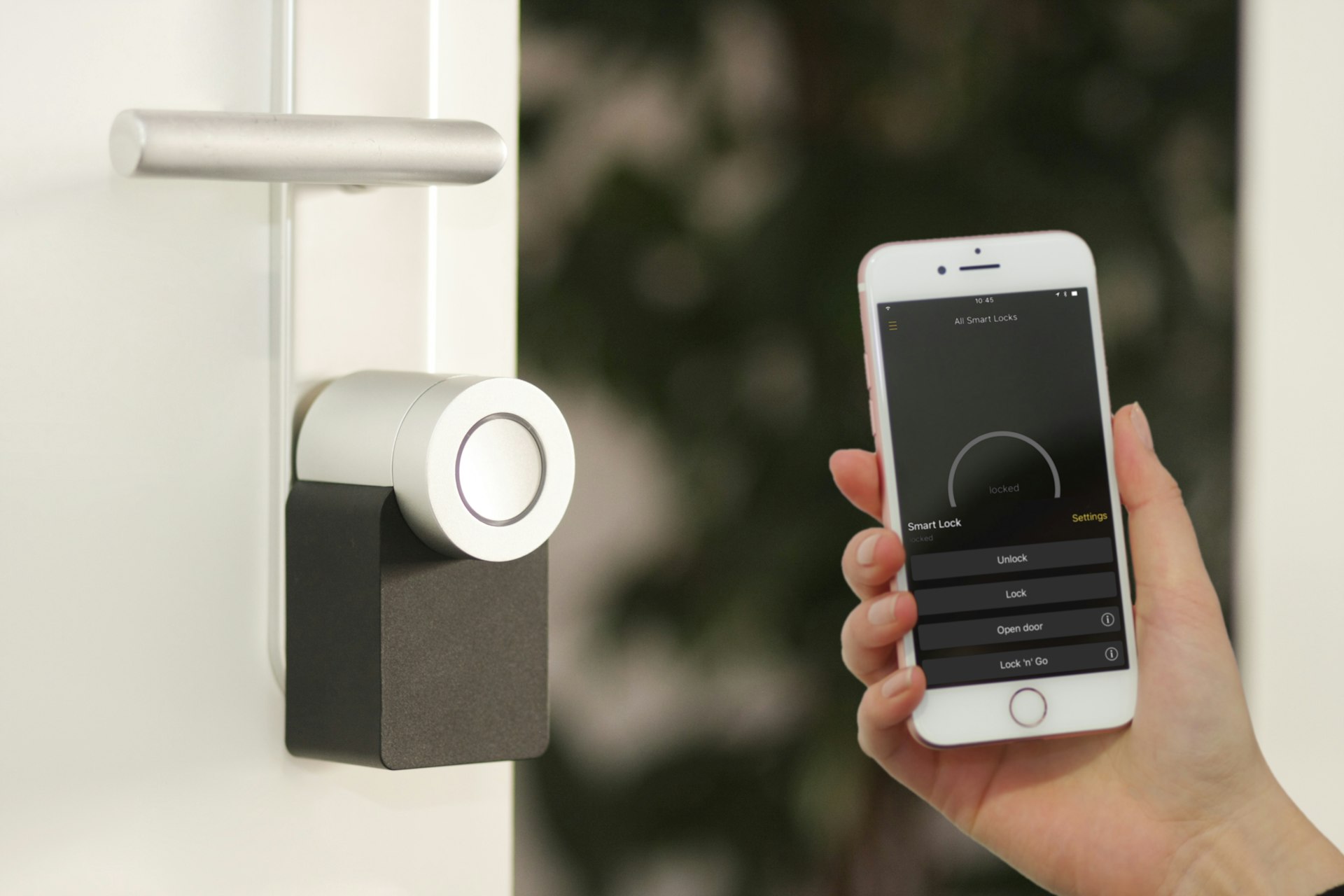
Smart thermostat on wall
"Smart technology and regular maintenance are the keys to a comfortable, efficient home." Invest in Your Comfort

Maintenance Questions

Keeping your system in peak condition

The recommended frequency depends on your filter type and household conditions:
  • Standard 1-inch filters: Every 1-3 months
  • Pleated 4-inch filters: Every 4-6 months
  • High-efficiency 5-inch filters: Every 6-12 months
Change more frequently if you have pets, allergies, live in a dusty area, or run your system continuously. A dirty filter is the single most common cause of HVAC problems. When in doubt, hold it up to a light -- if you can't see through it, replace it.
Our comprehensive maintenance tune-up includes a thorough multi-point inspection:

Heating System Tune-Up:
  • Inspect and clean burners and heat exchanger
  • Test for carbon monoxide and gas leaks
  • Check and calibrate thermostat operation
  • Lubricate all moving parts and test safety controls
  • Check electrical connections and measure airflow
Cooling System Tune-Up:
  • Clean condenser and evaporator coils
  • Check refrigerant levels and pressures
  • Inspect condensate drain line and ductwork
  • Test compressor operation and system performance
After the tune-up, our technician provides a detailed report of findings and recommendations.
A maintenance plan is one of the smartest investments you can make for your HVAC system:
  • Cost savings: 10-15% discounts on repairs and priority scheduling
  • Extended equipment life: Regular maintenance can extend lifespan by 5-10 years
  • Warranty protection: Most manufacturers require annual professional maintenance for warranty validity
  • Peace of mind: We'll contact you when it's time for service
  • Energy savings: Well-maintained systems save 10-20% on energy costs
  • Priority service: Preferred scheduling during peak seasons
When you add up the repair discounts, energy savings, and extended equipment lifespan, a maintenance plan typically pays for itself many times over.
The ideal timing follows a seasonal schedule:
  • Heating system: Schedule in early fall (September-October) before winter
  • Cooling system: Schedule in early spring (March-April) before summer
  • Heat pumps: Since they provide both heating and cooling, we recommend twice-yearly maintenance
Avoid waiting until peak season. Scheduling maintenance in the shoulder seasons ensures prompt service and a system that's ready before you need it most.

Ready to schedule? Call us at (425) 648-7887 or visit our contact page to book your maintenance appointment today.

No questions match your search

Try different keywords or browse the categories above. You can also call us at (425) 648-7887 with your question.

Quick HVAC Tips

Simple things you can do today to improve comfort and save on energy costs.

HVAC maintenance tools
1

Change Your Filter

Replace your air filter every 1-3 months. A clean filter improves airflow, efficiency, and indoor air quality. Set a phone reminder so you never forget.

Smart thermostat
2

Optimize Your Thermostat

Use a programmable or smart thermostat. Set it back 7-10 degrees when away or sleeping to save up to 10% on annual heating and cooling costs.

Outdoor AC unit
3

Clear Outdoor Debris

Keep at least 2 feet of clearance around your outdoor unit. Remove leaves, branches, and debris regularly to maintain proper airflow and prevent damage.

Cozy warm home
4

Schedule Maintenance

Book professional tune-ups twice yearly: spring for cooling, fall for heating. Regular maintenance prevents breakdowns and extends your system's lifespan.

Still Have Questions?

Our friendly team is ready to answer any questions about your HVAC system. Whether it's a simple question or a complex concern, we're here for you.

Mon-Fri 8AM-6PM | Sat 9AM-4PM | 24/7 Emergency Service